
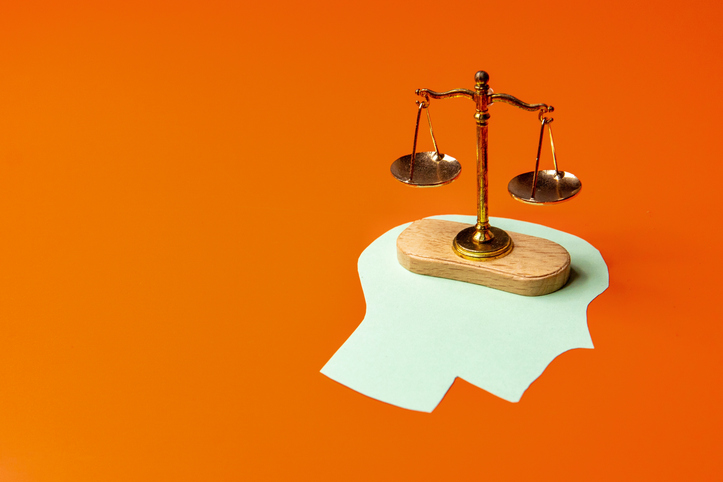
Understanding how my brain processes fairness—and why it matters
Whether it's bad referee calls in rugby, cheaters in video games, or classmates breaking rules, I seem to get more upset about these things than most people. Recently, I learned there's actually a term for this: justice sensitivity.
If you're like me and find yourself reacting intensely to unfairness—whether it's major societal injustices or just small daily stuff that bugs you—you might have this largely overlooked but hugely impactful ADHD trait. Justice sensitivity causes me to perceive unfairness and wrongdoing in the world more frequently—and it hits me harder—than it does my neurotypical peers.
For me, justice sensitivity shows up in different ways: getting distressed when I'm treated unfairly (victim sensitivity), getting upset when I see others treated badly (observer sensitivity), and feeling uncomfortable when I might be hurting someone else (perpetrator sensitivity).
My mom told me about some studies showing that ADHD brains, especially the inattentive type, are way more justice-sensitive than neurotypical brains. She said it might be because of my emotional intensity and how I get dysregulated—which, yeah, I definitely see that in myself. Apparently, researchers think ADHD brains see things more negatively, and when you combine that with being rigid in your thinking, it leads to obsessing over stuff, which sounds about right. But here's what really got me: they found that people with ADHD have such a strong need to fix injustice that they'll do it even when it hurts them in the end. That definitely sounds like me.
Looking back, this explains a lot about my life experiences.
Early School Days: When the Rules Don't Matter to Others
I remember PE class basketball games where I'd get incredibly frustrated watching classmates not follow the rules. Looking back, I realize my thinking was clouded by my intense focus on fairness—I assumed everyone knew all the rules just because I did. What does traveling mean? What's a foul? Some of my classmates probably had no idea, but in the moment, I was convinced they were deliberately choosing to break rules they understood.
"It's like, this has already been set out," I remember thinking. "I know you know how to play. You're choosing not to."
These reactions were so intense that I actually had a paraprofessional or behavioral therapist come in specifically during PE time to help me manage these situations. The deliberate disregard for fairness would dysregulate me completely—it was infuriating in a way that I couldn't quite articulate at the time.
This pattern showed up in every team sport: basketball, kickball, dodgeball, anything that required people to follow agreed-upon rules. Team sports were never really my thing, and now I understand why.
Rugby: Where Bad Refs Can Ruin Everything
Rugby taught me a lot about justice sensitivity, especially around referee decisions. When I'm familiar with a bad ref and I see that they are about to officiate our game, it immediately puts me in a bad mood because I know what's coming—missed calls, bad calls, potentially dangerous situations for my teammates.
"You're supposed to know the game better than anyone," I think about refs who make crucial mistakes. The frustration is intense, especially when their bad calls could actually put players at risk of injury.
I've had to learn to channel this better as I've gotten older. Losing my cool doesn't just affect me—it can get my team in trouble. So I've learned to "keep it down and worry about it after." But that underlying frustration? It's still there every time.
One game particularly stands out: our last game of the rugby season in spring. We were supposed to be playing a D3 team, but they brought ten D2 players. Then came a string of really bad calls that basically handed them the win. The combination of rule-breaking (bringing higher-level players) and poor officiating was almost too much to handle.
Gaming: My Escape Gets Hijacked by Cheaters
As an avid gamer, I've found that justice sensitivity follows me into virtual worlds, too. Single-player games are fine—if I want to cheat to avoid grinding for five hours to get something, that's my choice, and it doesn't affect anyone else. It's my game, I'm not affecting anybody but me.
But multiplayer games are a different story. Cheaters in games like Call of Duty are incredibly frustrating, especially because gaming is my way of escaping stressful days. "People will get off work or school, go and have fun on the game," I think, "and [cheaters are] making someone's long, potentially long day that much more difficult."
These anti-cheat systems exist, but they're not stopping the problem. You're paying money for these experiences, and cheaters are ruining them for everyone else.
College: When Academic Integrity Goes Out the Window
One of the most infuriating experiences I've had with justice sensitivity happened during finals in my first semester of college. I was taking a history exam and had spent hours studying, especially since I'd already had another final earlier that day.
These football players sat in the front row, and I could see two of them had ChatGPT open on their iPads while taking the exam. The other two were looking over at their screens. I took a picture and sent it to the professor, though I never heard back about what happened.
The injustice of it hit me hard: "I'm paying thousands of dollars to be there to work my butt off to get a good grade, and these football players who... I mean, what is this?"
I wanted to call it out right there in class, but I knew that would have been wrong—it would have embarrassed them and caused an immediate disruption. But the frustration of watching people blatantly cheat while I'd put in legitimate effort was overwhelming.
The Reality Check: Authority Figures Don't Always Care
One thing I've learned, unfortunately, is that sometimes the people in authority positions either don't care about injustice or actively enable it. When you realize that "people of authority have made it okay," it feels pointless to fight certain battles.
This realization has been both disappointing and, in some ways, protective. I've had to learn to pick my battles and recognize that some level of unfairness is just "a way of life." It's unfortunate, but it's reality.
How I've Adapted (Sort Of)
The biggest change as I've gotten older is learning to channel my justice sensitivity better. I don't necessarily scale back my feelings about unfairness—those reactions are still there—but I've gotten better at managing how I express them.
In rugby, I know that losing my cool could hurt my team. In gaming, I've found better ways to not let it completely ruin my experience. In academic settings, I document what I can and report it through proper channels, even if I don't always see results.
I've learned that this intense reaction to unfairness is just how my brain works. It's exhausting sometimes, and it can definitely consume you if you let it. But I've also realized it's not necessarily a bad thing—it's made me more aware of injustice and more likely to speak up when I can actually make a difference.
Understanding the Why Behind the Feelings
Learning about justice sensitivity has helped me understand that these aren't just "overreactions"—they're legitimate responses based on how my brain processes social information. My mom says research shows that autistic people experience traumatic events at higher rates and are more likely to develop PTSD, and this "firsthand experience of mistreatment and injustice can cause some people to focus on ensuring that no one else has to suffer as they did."
This sensitivity shows up across multiple areas of my life—sports, gaming, academics, social situations—which tells me it's not about specific circumstances but rather a fundamental part of how I process fairness and social rules.
The Bottom Line
Justice sensitivity is both a strength and a challenge. It makes me more aware of unfairness and injustice, which can drive positive change. But it also means I experience situations as more distressing than others might, and I have to work harder to manage those emotional responses.
I've learned that the goal isn't to stop caring about fairness—that's not realistic and probably not desirable. Instead, it's about finding sustainable ways to channel these feelings that don't burn me out while still allowing me to advocate for what's right when it matters most.
Understanding that this is how my brain works has been validating. These reactions aren't character flaws—they're neurological differences that come with both challenges and strengths. And while it's "unfortunate that that's just a way of life" sometimes, recognizing and working with my justice sensitivity has helped me navigate the world more effectively.
If you recognize yourself in these experiences, know that your sensitivity to injustice, while sometimes overwhelming, represents an important perspective.



0 Comments